
Accessibility menu

Clinical Psychology

Psychology is a branch of science which studies about behavior and cognitive processes. Clinical Psychology is the branch of psychology which deals with application of scientific knowledge gained, to understand, diagnose, assess, treat mental health conditions, familial-social interactions, personality and conditions that cause disability.

Know more

Clinical Psychology

Psychology is a branch of science which studies about behavior and cognitive processes. Clinical Psychology is the branch of psychology which deals with application of scientific knowledge gained, to understand, diagnose, assess, treat mental health conditions, familial-social interactions, personality and conditions that cause disability. Detailed assessment and specialized intervention is provided by the department for a variety of conditions including neurodevelopmental disorders like Autism Spectrum Disorders, Attention Deficit Hyperactivity Disorder, Intellectual Disability, Developmental delay and Learning Disabilities. Disability is multifaceted and hence the department focuses on liaison work with all the departments at NIPMR.

The psychological effects of disability are multidimensional. Improving the quality of life of the disabled individual needs detailed assessment of personality, needs, interests, coping mechanisms, and way of relating to people, abilities, intellectual performance and the individual’s own perception of one’s disability. Family plays a crucial part in perception and management of disability. For the individual to work effectively on his abilities; it is important to motivate them and clarify their self-concept and improve their confidence. Caregiver burden and expressed emotion, is important to be addressed for the welfare of the family, which also affects the quality of the disabled.

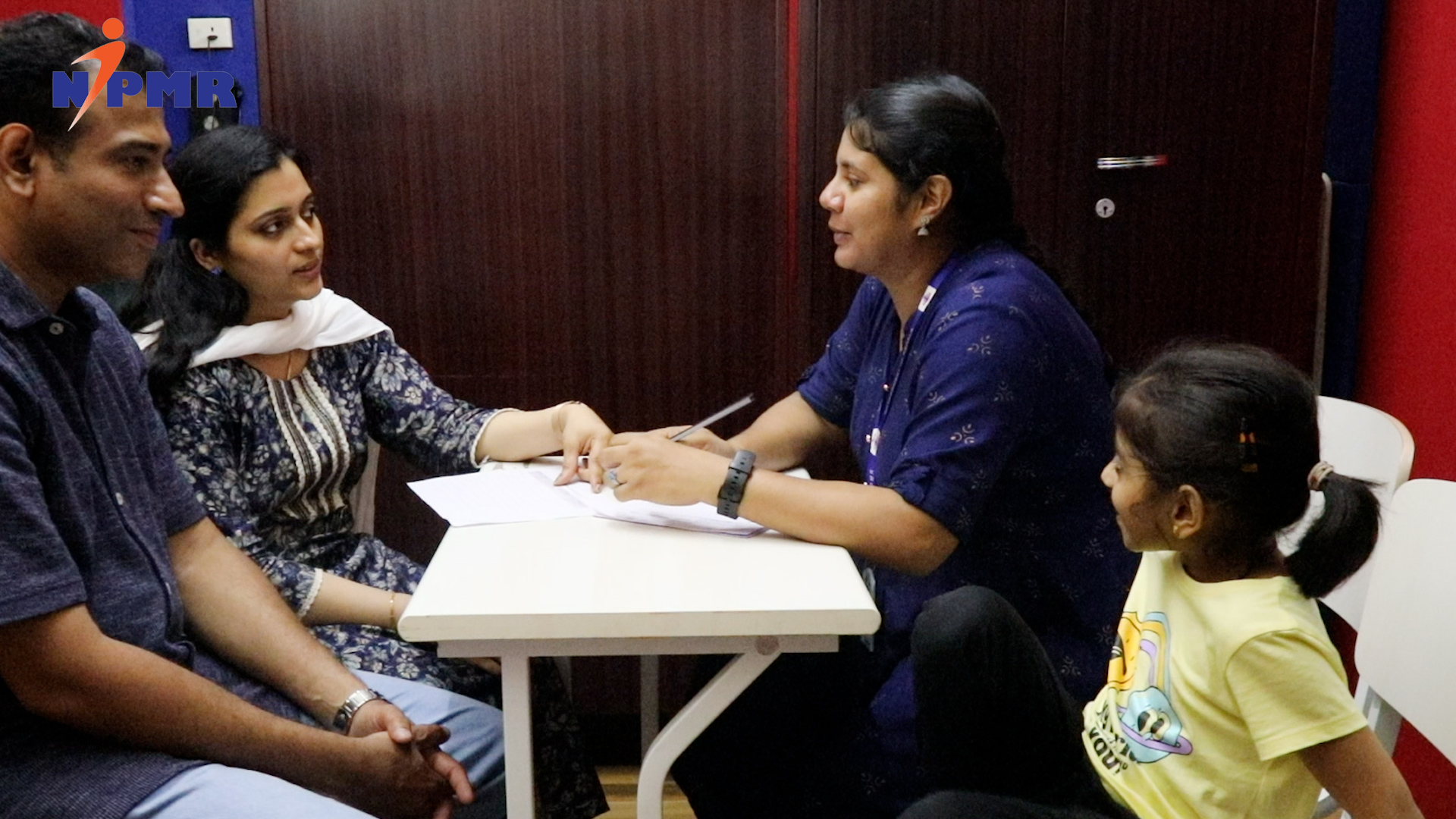
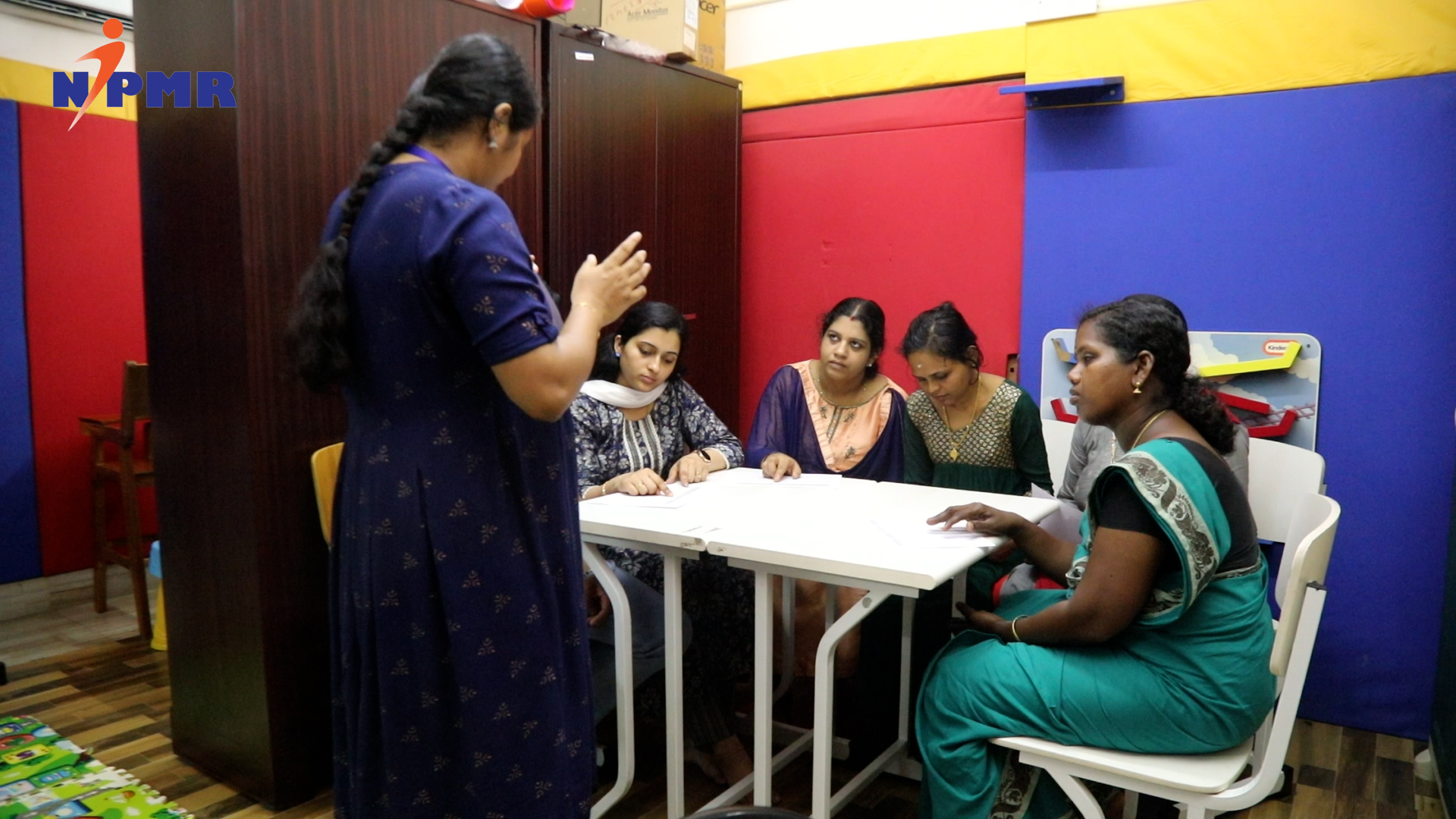
Psychotherapy is a collaborative treatment based on the relationship between an individual and a psychologist. Behavior training programs should be implemented to correct the impairments in the adaptive behavior. Disability is the consequence of an impairment that may be physical, cognitive, mental, sensory, emotional, developmental, or some combination of these. Hence identification of the problem as well as the management is important. Our Clinical Psychology Unit provides a detailed psychological assessment through standardized tools and the interventional programs are tailored to the needs of the individual. Apart from the intervention model for the children, the family members are also provided with parental and family counseling to enhance the total quality of life of the family as a whole. When a disabled child is born; all hopes of the parents are shattered. In order to assist the parents in dealing effectively with the situation counseling is essential, as a part of the whole management plan. The department holds all these in perspective and delivers services to suit the needs of the individual and family.

Meet our team of therapists providing expert support for you

Mr. Arunlal.T.S

Psychology department in-charge

dots

Services provided

The clinical psychology unit provides services in a range of areas which are:

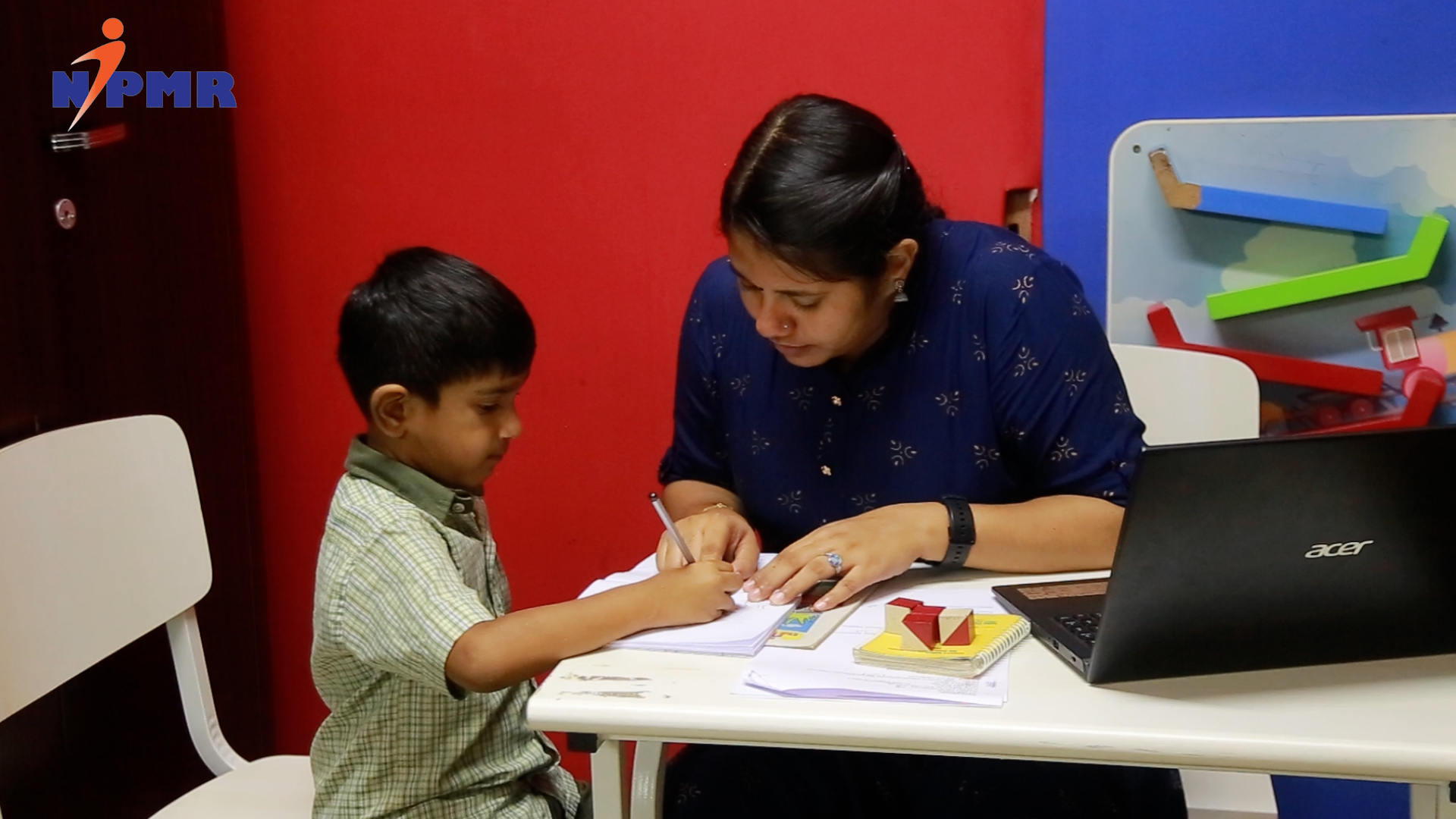
Assessing a client's needs, abilities or behavior using a variety of methods,including psychometric tests, interviews and direct observation of behavior
Devising and monitoring appropriate treatment including Behavior Modification, Cognitive Behavior Therapy etc.
Family Counseling and Home Training
Training Programs for parents, teachers, students and care providers.
Skills training including social skills, anger management and attention enhancement training
Provide Learning Disability Remedial Training
Vocational Assessment and Rehabilitation
IQ, Learning Disability Assessment and Certification
Telephonic Counseling, Online therapy
Research

ADHD CLINIC

Attention deficit hyperactivity disorder (ADHD) is one among the most frequent disorders within child and adolescent psychiatry. ADHD is a highly prevalent and often life-persistent neurodevelopmental disorder with significantly higher utilization and costs of health care. Population surveys suggest that ADHD occurs in most cultures in about 5% of children and about 2.5% of adults. ADHD is characterized by a constant pattern of inattention and/or hyperactivity-impulsivity symptoms that interferes with development and functioning of the child. The onset of ADHD tends to occur mostly in early childhood and it leads to impairment in children’s social relationships and scholastic performance. ADHD causes significant impairment in children’s lives. The symptoms associated with ADHD interfere with attainment of many of the normal milestones of childhood and adolescence. Recent studies suggested that the impairment associated with ADHD tends to persist well into adulthood and leads to criminal behavior, substance abuse and suicide. Untreated ADHD results in low frustration tolerance, irritability or mood changes.

Taken together with recent estimates it is important to have an intensive treatment strategy that is more beneficial to ADHD diagnosed children. To help meet this need, Psychology department of NIPMR started ADHD clinic. The clinic provides diagnosis and intensive targeted treatment of ADHD. The major goals of ADHD clinic is to enhance mental health of ADHD children by improving their communication skills, social skills, coping strategies and self-expression. These therapy sessions help children to pent-up energy and thereby reduce their aggressive behaviors. In ADHD clinic regular exercise will be conducted which can make the child more motivated for mental tasks, increase brain power and help to feel less confused. The motor gym activities can promote dopamine release as well as improve executive functions such as attention, organizing, planning and recall. In those with ADHD an increase in dopamine can improve focus and reduce symptoms.

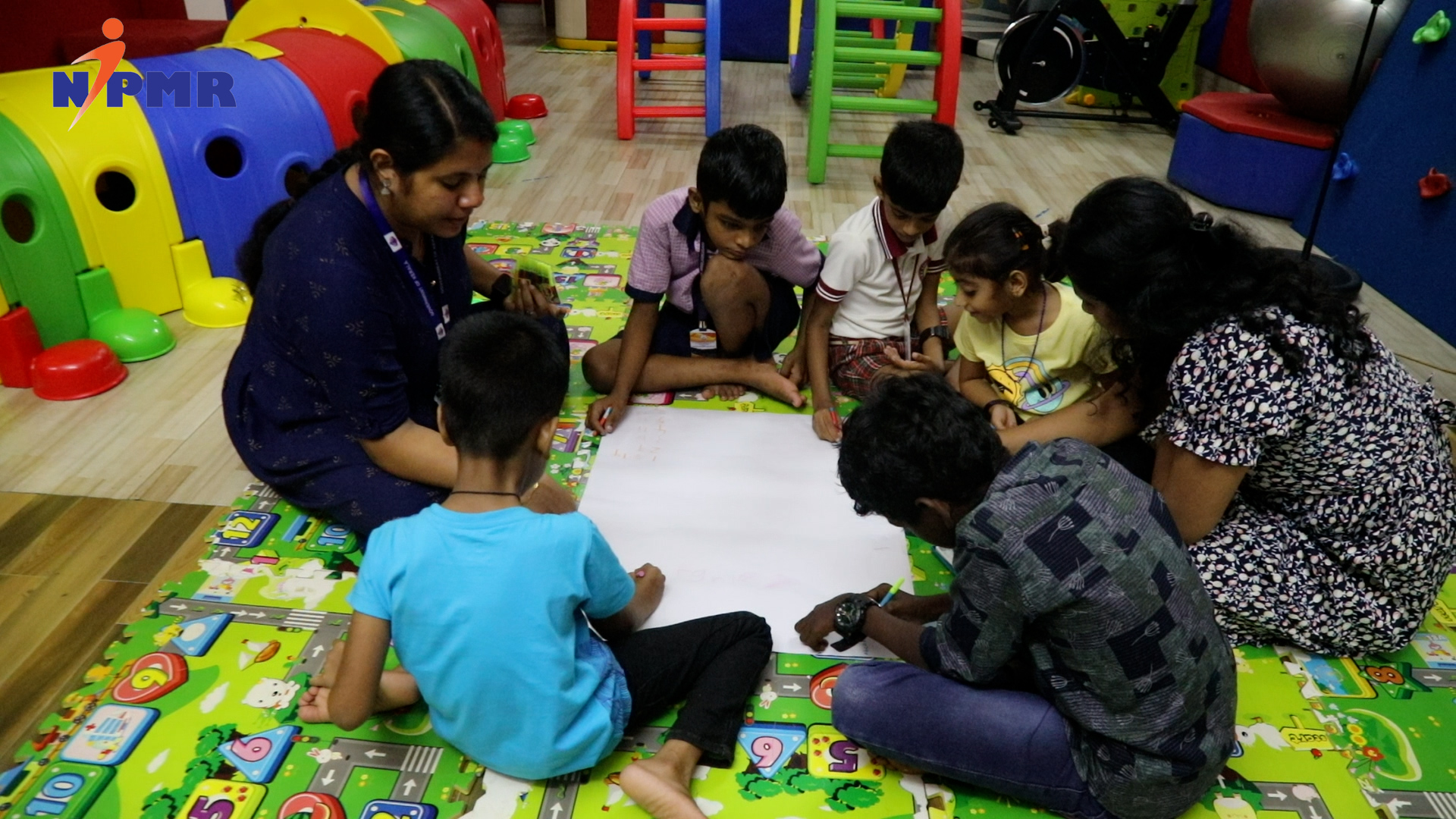
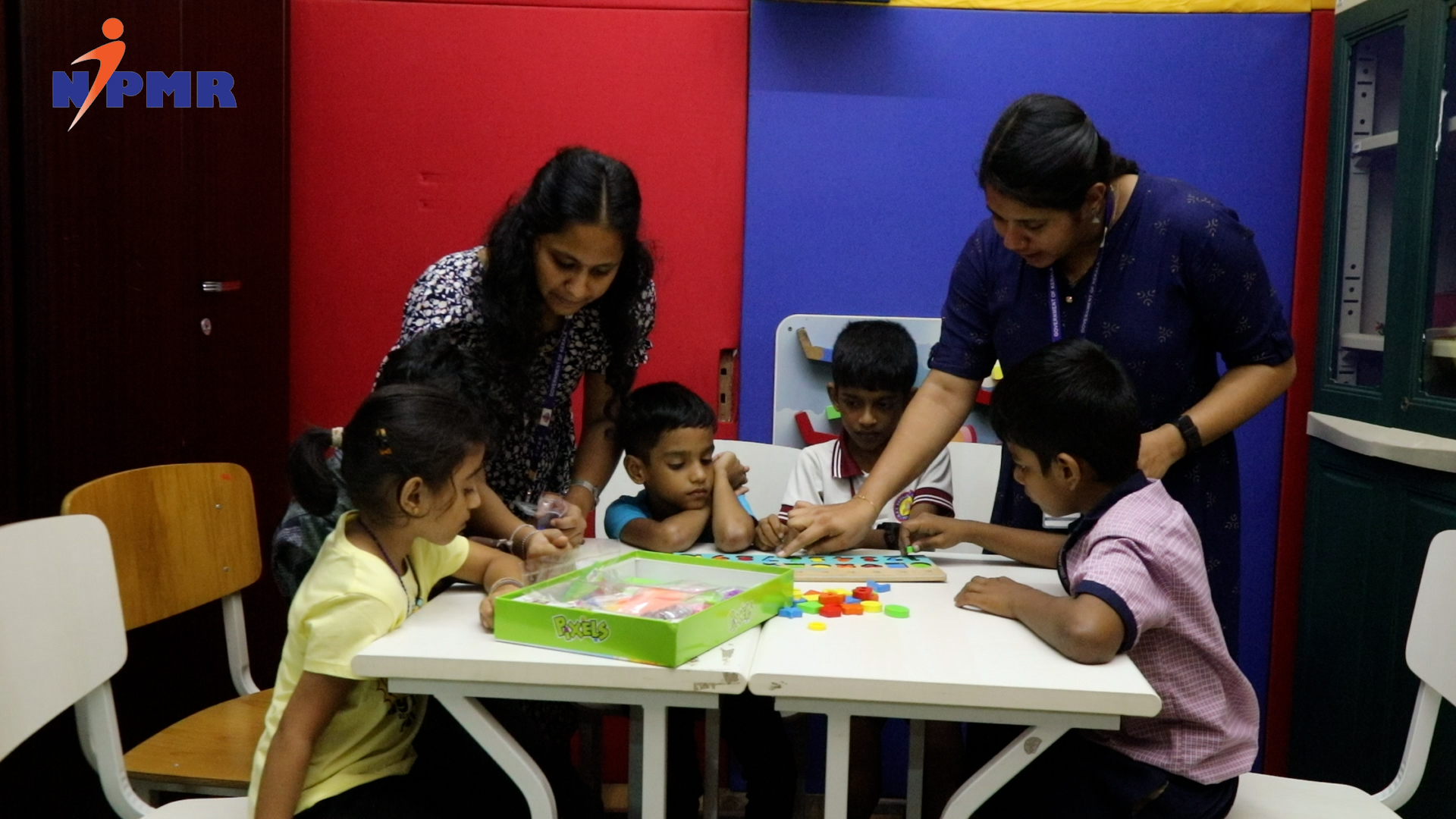
The clinic is staffed by two psychologists. These providers make the diagnosis of ADHD, and often other co-morbid conditions, on the basis of an evidence-based assessment tool, which is comprised of standardized parent rating scales, a jointly administered clinical interview that examines the child’s functioning as well as parental behavioral management strategies, and a complete medical and family history. Once the diagnosis of ADHD is established, the therapist offers families detailed education about ADHD. In ADHD clinic a group of 5 children between the age group 5 to 12 is taken as a batch and each child will get intensive therapy sessions for 12 days (alternative days) with a duration of 90 minutes per day. Therapy session includes behavioral training, social skill groups, motor gym activity, breathing exercise and recreation activities. Families are usually offered follow-up visits in which the psychologist monitor behavior changes; targeted behavioral interventions for home and school are also recommended during these appointments. ADHD clinic also provide support group for parents which bring together people who are going through similar experiences. Participating in group provides with an opportunity to feel less lonely, reduce distress, anxiety or fatigue. The ADHD clinic offer the most helpful treatment options for each individual patient and family.

Other team members

Meet our team of therapists providing expert support for you